Multi-Tiered System of Supports (MTSS)
What is MTSS?
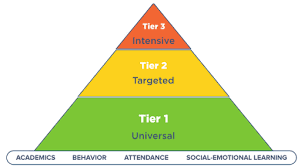
Multi-Tiered System of Supports (MTSS) is a multi-level approach offered to all students providing supports and interventions to any student struggling across different areas. It is a process that allows educators to intervene early, using supports in the general education setting. The Gananda Central School District follows a three tiered layered intervention system. Instruction and interventions are provided by highly-qualified educators, are research-based, and differeniated to meet all student needs.
Formal Definition: “MTSS is a systemic, evidence-based, continuous school-improvement framework in which data-based problem solving, and decision-making are practiced across all levels of the educational system. The Every Student Succeeds Act defines MTSS as a comprehensive continuum of evidence- based, systemic practices to support a rapid response to students’ needs (e.g., academic, behavioral, social-emotional, student physical and mental health) with regular observationto facilitate data-based instructional decision making that supports all learners. It ensures equitable access to a rigorous, robust, high quality education beginning in pre-kindergarten. Like a computer’s operating system that helps organize software and programs so that users are able to navigate and access what they need, MTSS helps schools organize the delivery of a continuum of supports so that students are able to access the level of support they need when they need it.” ~ MTSS-i Pilot Framework (NYS -website)
Why MTSS Matters?
MTSS is designed to help schools identify struggling students early and intervene quickly. It focuses on the “whole child.” That means it supports academic growth, but many other areas too, such as social-emotional, behavioral, gross motor, fine motor, sensory, speech and language skills, or absenteeism (not attending school).
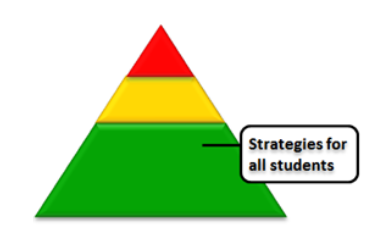
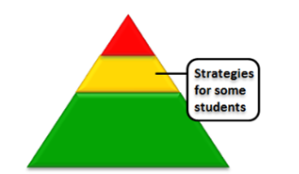
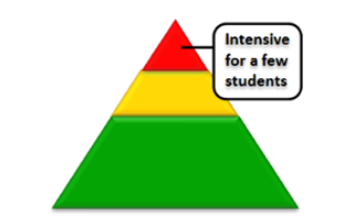
The tiers of support are a huge part of MTSS. They get more intense from one level to the next. For example, a child getting small group interventions may need to “move up” to one-on-one help.
Selection for extra interventions and support is based on individual student data such as survey data, benchmark data, student performance in the classroom, teacher and/or interventionist observation, and parent/guardian input.
Tier 1
Tier 2
Tier 3
Request For Assistance (RFA)
Tier 1 Resources